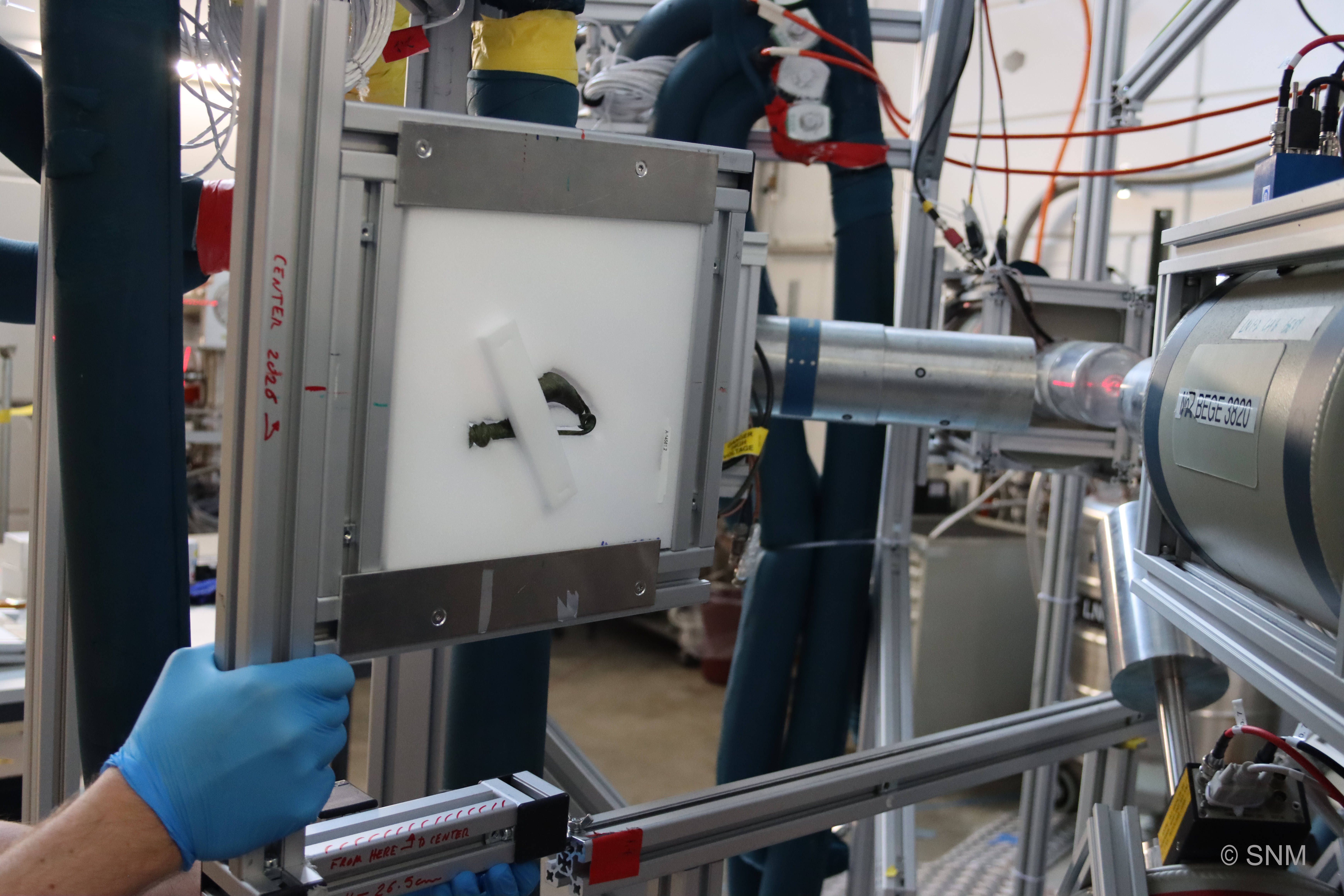
Last week, the muon beam at PSI Paul Scherrer Institut was used for MIXE measurements on cultural heritage objects. MIXE (Muon-Induced X-ray Emission) allows researchers to determine the elemental composition of an object at different depths without taking samples or damaging it.
Katharina Schmidt-Ott, Head of Conservation Research at the Swiss National Museum, and Michael W. Heiss, team lead for the MIXE project at PSI, investigated several around 2,400-year-old fibulae from three women’s graves in the Giubiasco necropolis near Bellinzona.These pieces of jewellery served not only as ornaments but also as clothing fasteners. Archaeologists noticed something intriguing: the earlier fibulae are better preserved, while some of the later ones show signs of repair. Why?
Muons have the unique ability to penetrate deep into materials. By analysing the characteristic X-rays emitted following the capture of muons in the material, researchers can determine which chemical elements are present at different depths inside an object.
The researchers now aim to determine non-destructively whether the metal composition of the fibulae with and without repairs differs, and whether this can help explain their different states of preservation.
For the full story, read and listen to the SRF - Schweizer Radio und Fernsehen report featuring Katharina Schmidt-Ott and Michael W. Heiss Rekord-Myonen-Strahl lüftet archäologische Geheimnisse - Wissen - SRF
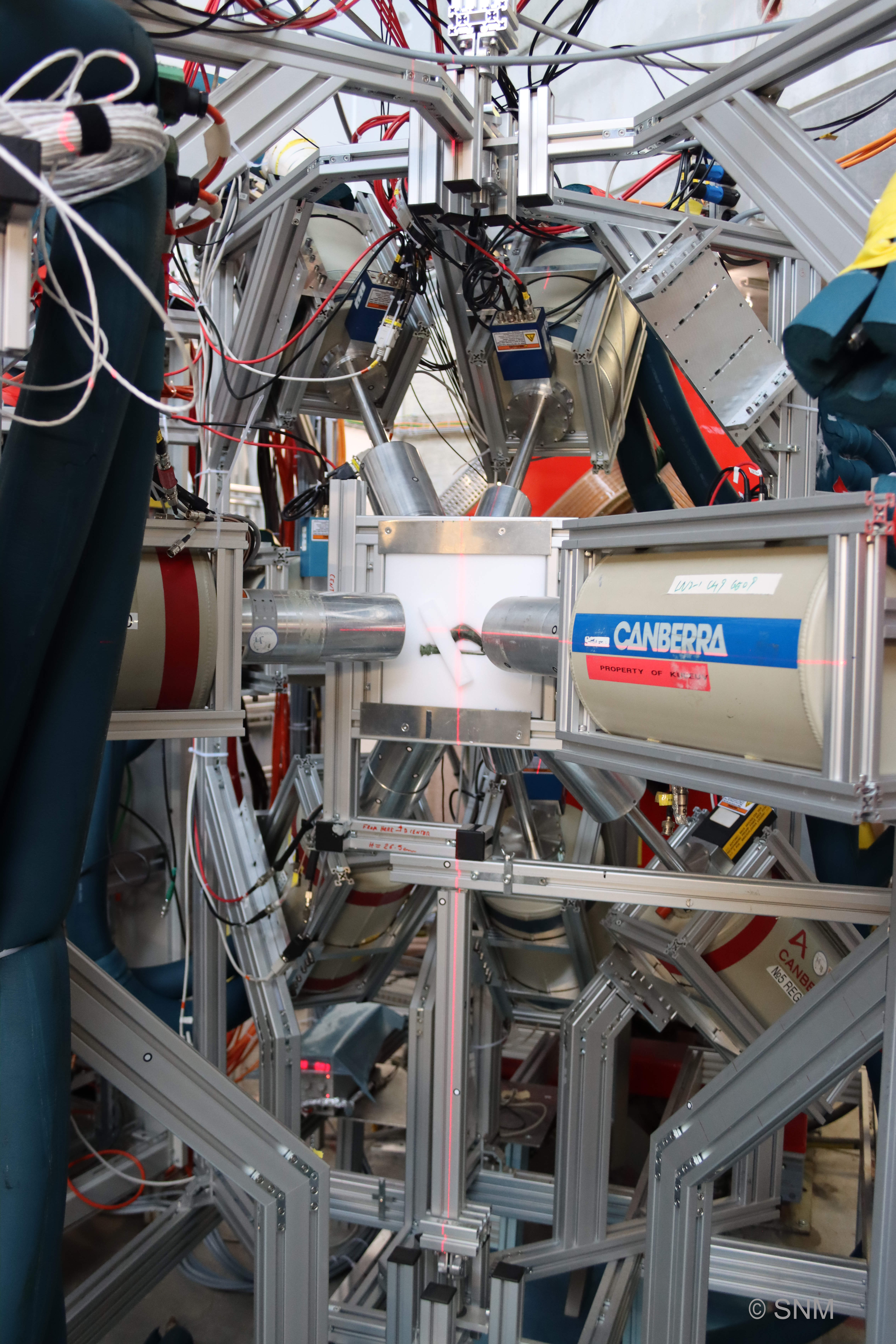
Photo credit: Swiss National Museum/Katharina Schmidt-Ott